
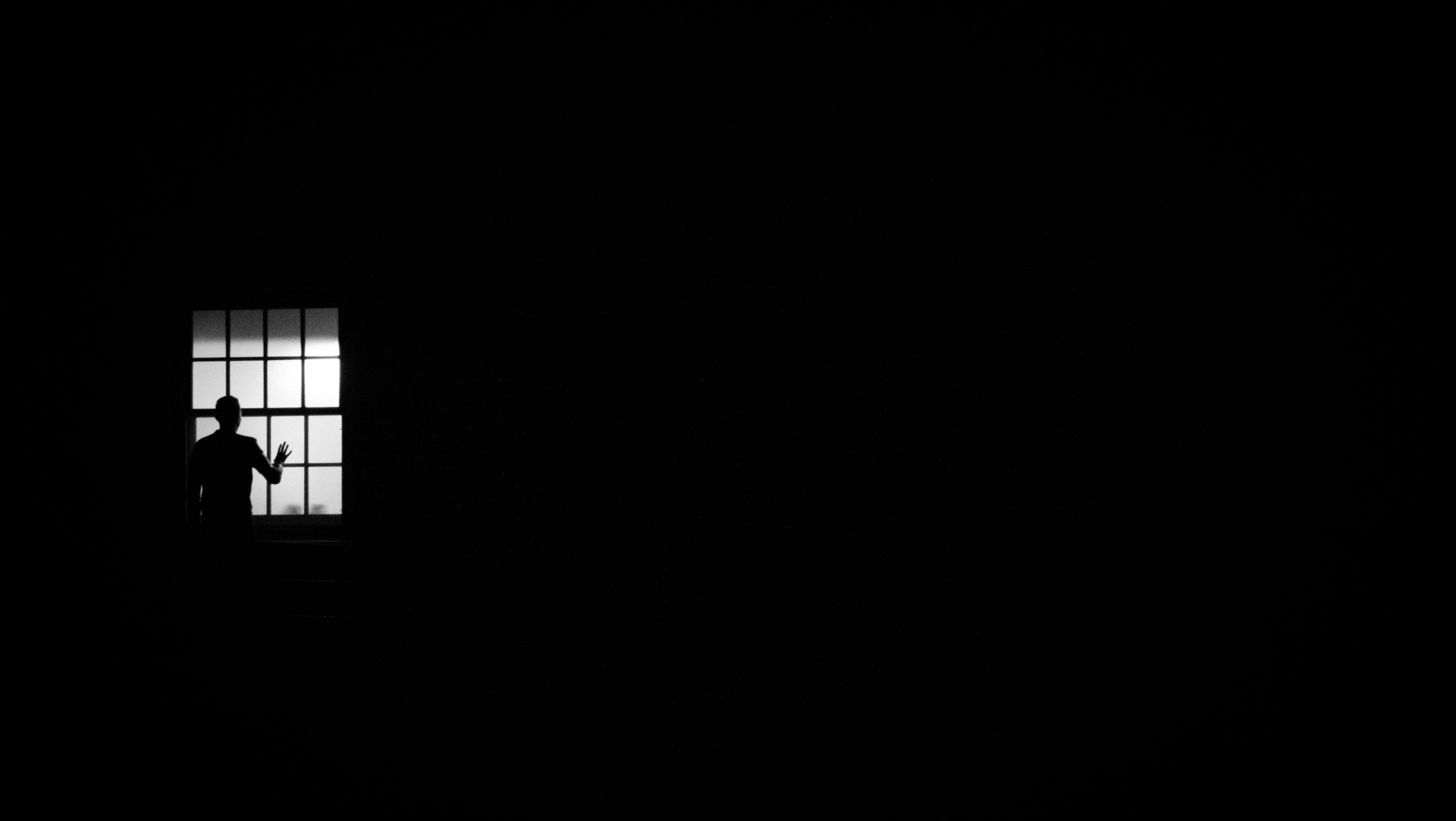
Image: null xtract on Pixels.com
I share my experience with lockdown and methods of coping with anxiety.
As has been the case for many in this time of physical, mental and spiritual restriction, I have found my mental health rapidly deteriorate. Where previously, in daily life there were places to be, people to see and expectations to live up to, when lockdown occurred, everything went still. At first, this stillness was very much appreciated; it was some time for me, the expectations had vanished, paradoxically I felt freer in this restriction.
For the stoics, this stillness, the ceasing of the everyday when the world is ceaseless, constitutes the good life. Managing to maintain indifference to a world that carries on as stressful and terrifying with indifference to you. Lockdown then, was a chance for all this noise to stop, and to just exist in this moment, stoically. But it seemed that trying to cultivate a perspective that lives outside of the busy real world has only exaggerated my anxiety further than it had ever been before.
I have Generalised Anxiety Disorder (GAD), I can’t help but let my thoughts take over me, I worry to the extent that I become paralysed, because just as much as worries exist in my mind, they exist in my body too. And I have become intimately aware of my body, one of the worries I have come to be most familiar with is my health: my heart, my throat, my eyes and mind. Because of the tragedies of this pandemic, our collective subconscious must surely be trying to make sense of the losses we have endured, the sacrifices made. I think, in my case, I am deeply consumed by the terror of such abrupt endings.
This is why I have sought help, and the most available form of therapy for someone in my situation is Cognitive Behavioural Therapy (CBT). Rather than letting my thoughts control me, and therefore my feelings and behaviours, CBT is there for me to learn techniques by which I can gain a higher degree of control over my thoughts. I am told to ‘challenge’ my negative thoughts in the moment that I think them, and to be mindful of how these thoughts develop into feelings. However, in CBT it seems I have come face to face once again with the stoic ideal. CBT is an inherently masculine ideal, because it assumes that rationality can conquer emotion, and my worry with this is that I can challenge the negative thought itself, but CBT offers me no method into understanding where in my unconscious these thoughts come from.
Moreover, the stoic and CBT ideal proposes that because we have no control over the material world, we should detach ourselves from it with indifference. But, as many of us have had to come to terms with, the realities of the world are inescapable. Furthermore, on a broader political level, this ideal promotes apathy. Those who are poorest, suffer with their mental health the most, so is CBT not just a coping technique for inequality? Does it not propose that the material conditions cannot be changed, but if you rationalise hard enough, then you may be able to make life functional? (not happy, functional). It seems that CBT acts as an antidote to anxiety in the same way I thought lockdown would for me. Stepping outside of the stressful real world into a domain of the still. But our emotions are who we are, to micromanage them neuters outrage against very changeable imbalances of the world and echoes the androcentricity that keeps oppression persistent. It’s the therapy equivalent to ‘just live with it’.
I have been trying to cultivate a better way of understanding my anxiety, one in which I can listen to my emotions, inspect and respect them before I begin to challenge them. Although purely emotional reasoning is an unhealthy way to make decisions, one should not rely on rationality alone due to the danger of losing one’s soul. The ideal stoic does not feel anxious, but they also cannot feel joyous, outraged, loved or respectful. The androcentric is like Icarus, his quest for perfection will soon introduce him to death before knowing the world.
Leave a Reply