
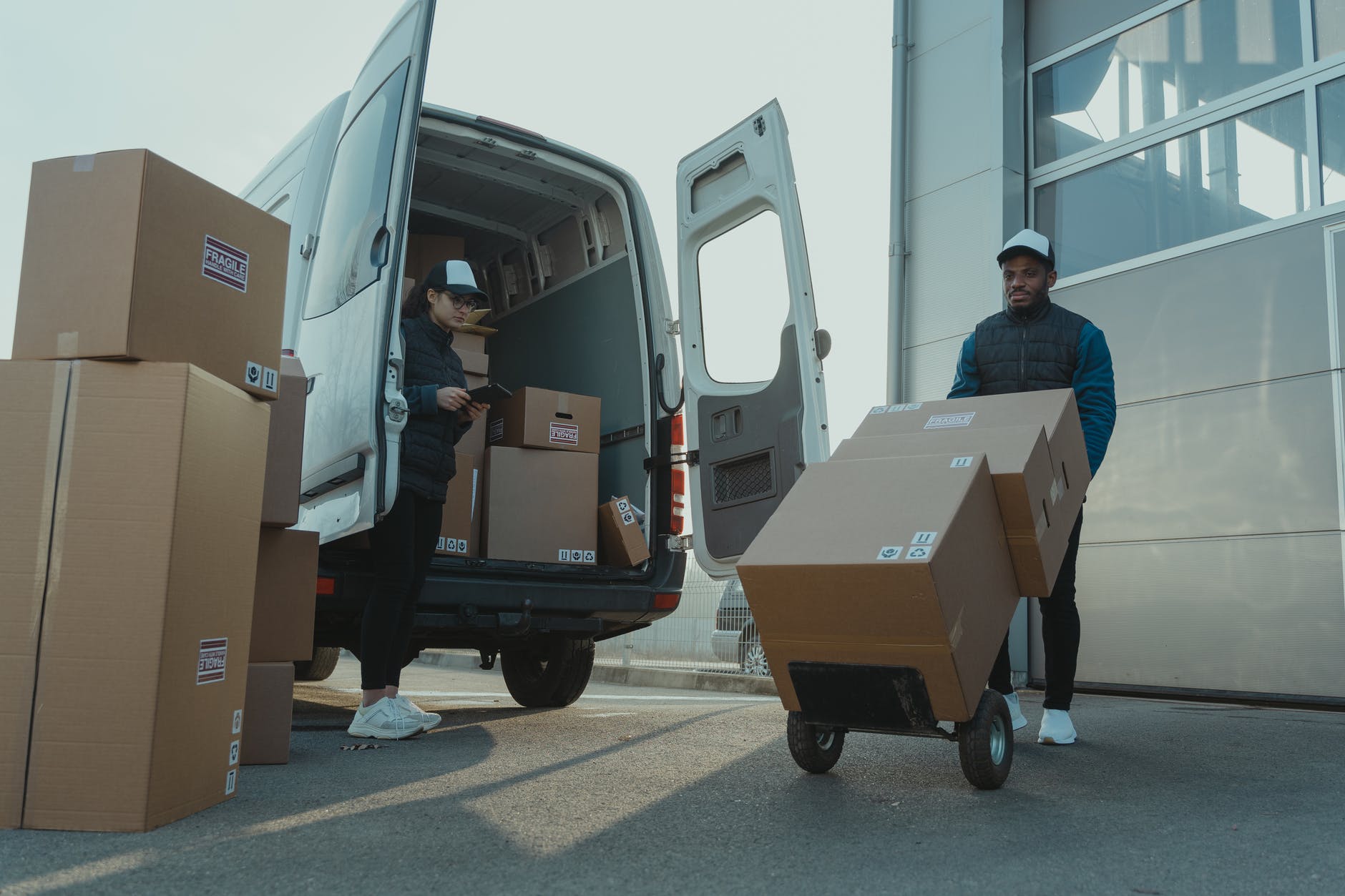
In recent years (and particularly in the age of lockdowns), we have all become intimately familiar with the ease and necessity of online shopping. The situation is pretty universal: something like, you need to fix a drawer that has fallen apart and realise that its screws take an amorphous proprietary screw-bit that none of your normal screwdrivers have. Hop on the internet and, next day, it’s there at your door. Convenient right? But the automated and disconnected process from a click of a button to knock at the door often masks something more sinister.
Offering almost every house in our part of the world next-day delivery is a labyrinthine logistical task and its the workers along the way that feel the pressure of it. Amazon, a company with a net worth in the hundreds of billions, is also a company that neglects the wellbeing of its workers. The online retailer is now almost infamous for a disregard for the safety, stability, and satisfaction of their employment. The company has been ridiculed for its horrendous working conditions, including a lack of safety standards during the pandemic and numerous reports of the exhaustion associated with their employees’ sky-scraping quotas.
It seems however, that it may be the beginning of the end for the inhumane and dangerous practices that Amazon (and others like them) use going unchallenged. On 2 April, Amazon was forced for the first time to recognise a union in one of their US based warehouses: JFK8. The Amazon Labor Union (ALU) made its historic win after workers voted for its recognition despite the millions of dollars that Amazon had invested in union-busting efforts.
The goal of a union is to provide wellbeing and support to fellow workers in lieu of those protections being provided by the company. The success of the ALU sends a direct and unflinching message: if you wont take action to secure our wellbeing—we will. Placing profits above people—actual human beings—is a dangerous game, not just for the folks that suffer, but for the company that hurts them. Customers often don’t see the warehouse, the production line, or the environment beyond the picket-line, but I think its immensely positive that a victory like the ALU’s is able to make headlines. It reminds us that those people are not just cogs in a machine, they deserve wellbeing too.
Leave a Reply